
House & techno clubs in Tbilisi (door, nights, how to get in)
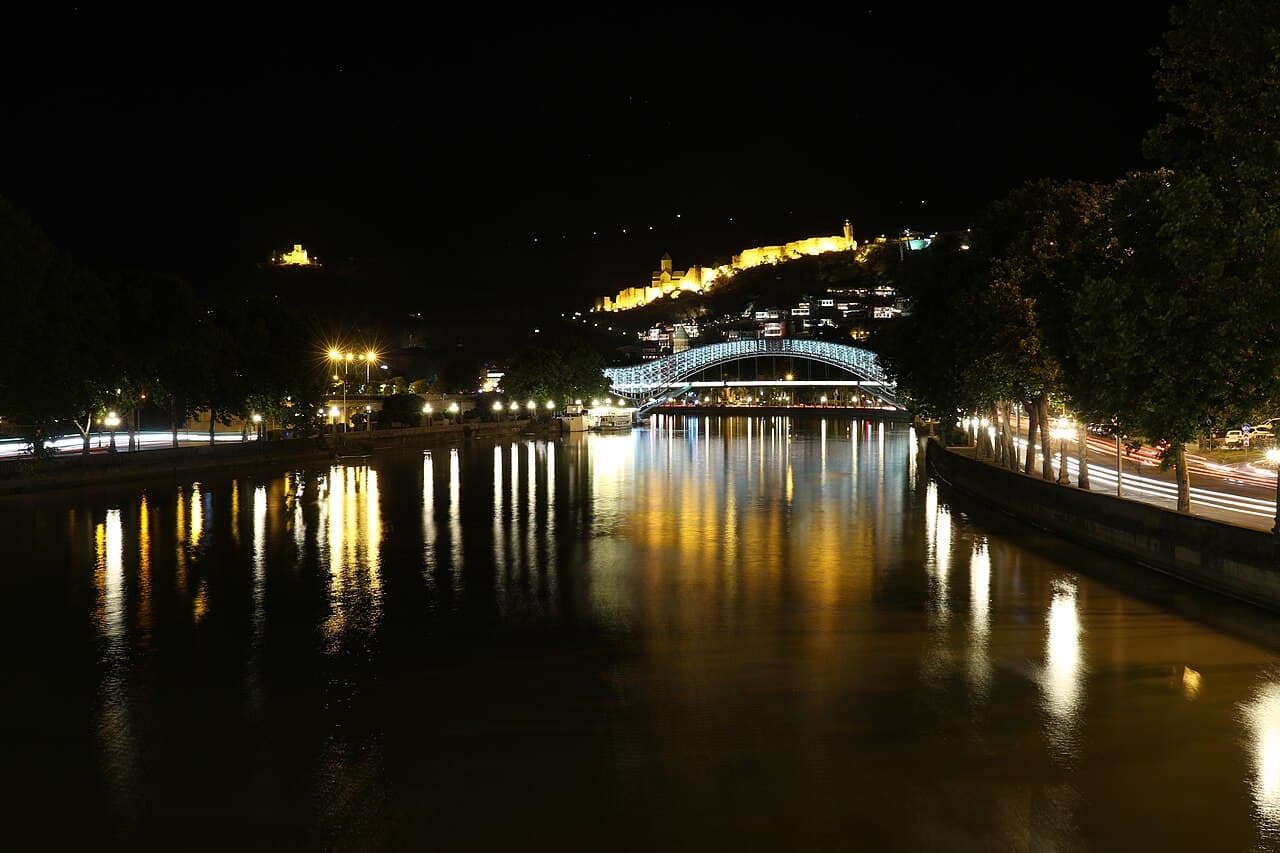
*Short answer: Tbilisi is one of Europe's most serious techno scenes, not a house city — so come for the techno and plan a weekend around two rooms. Bassiani, built inside an empty swimming pool beneath the Dinamo Arena football stadium, is the flagship and the strict door; Khidi, a raw concrete space under the Vakhushti Bagrationi Bridge, is the second pillar and a slightly easier door.* Both run mainly Friday and Saturday, both reward people who dress down in black and come for the music, and both sit a short, cheap taxi from the Old Town. House and deep house turn up in warm-ups and at specific parties, but the reason to fly in is the techno.
One thing to know before anything else: Tbilisi's clubs are woven into the country's politics. In November 2024 Bassiani, Khidi and other venues closed for roughly six weeks in a protest strike after the government suspended EU-accession talks, reopening around New Year. The scene has also weathered a 2018 police raid and a 2024 "LGBT propaganda" law, and the clubs function as some of the only safe spaces for Tbilisi's queer community. It's all live and it can change fast, so check each club's own Instagram or app before you build a night around it.
The two rooms, compared
| Venue | Area | The right night | Door / fee |
|---|---|---|---|
| Bassiani | Dinamo Arena (Saburtalo) | Fri & Sat techno; Horoom Nights = the queer party | Strict "are you here for the culture" face control; advance ~30-40 GEL, door ~60-100 GEL |
| Khidi | Under Vakhushti Bagrationi Bridge, riverside | Fri & Sat techno, some open-air in the yard | Less strict; typically around 50 GEL, varies by night |
Bassiani
Bassiani opened in 2014 in the basement of the national football stadium, in and around a drained Soviet-era swimming pool. It is the door everyone warns you about, and the reputation is earned: staff make a fast read of whether the person in front of them is there for the music and the culture or treating the club as a tourist novelty, and Russian passport-holders have frequently been turned away since 2022. Dress the part — black or dark clothing, practical trainers or boots, minimal jewellery, no big bags, no loud logos. Look like a participant, not a spectator.
The club also has deep roots in Georgian civic life — it was at the centre of the 2018 protests after an armed police raid, when thousands gathered outside parliament in a demonstration remembered as a "rave for rights" over drug policy — which is part of why the door reads outsiders so carefully. Practically: the club runs mainly Friday and Saturday, doors around midnight, and it goes long, with the peak roughly 06:00-13:00 and last entry typically around 10:00 in the morning. The cleanest way in is an advance ticket bought through Bassiani's own app/social verification (recently around 30-40 GEL); door sales run higher (roughly 60-100 GEL depending on the night). Re-entry has carried a small charge (about 5 GEL) since late 2024, so bring some Georgian lari cash for the door and bar alongside a card, and confirm current prices on the club's channels. The club's Horoom Nights party is its dedicated queer night. Photos are not welcome on the floor.
Khidi
Khidi — Georgian for "bridge" — sits in a raw, industrial space beneath the Vakhushti Bagrationi Bridge, with a heavyweight sound system and a harder, hypnotic booking policy; it marked its 10th anniversary in June 2026 across three stages including an open-air yard. It is generally an easier door than Bassiani: there's no formal dress code, but the same rule applies — dress dark and low-key and come for the music and you'll be fine. Entry is typically around 50 GEL (it varies by night and event), and tickets are commonly sold in advance through Georgian platforms such as Biletebi.ge as well as on the door. Bring some lari either way: even as Tbilisi moves toward cards, club doors and bars can still be cash-first, and it saves a fumble at 4am. Expect a queue on big weekend bookings, so arrive earlier or be ready to wait.
Getting home
Tbilisi's metro stops running around midnight, so it is no use to you after a club. The default is a ride-hailing app — Bolt is the one locals and visitors use most (Yandex Go also works); both are cheap and mean an app record and an agreed fare rather than negotiating with a street driver at 7am. Bassiani (out by the Dinamo Arena) and Khidi (on the river) are each only a short drive from the Old Town and central hotels, so a late-night car home rarely costs much. Standard sense applies: order through the app, check the car and plate, and don't flag down unmarked taxis outside the door.
Related reading
For how a strict European techno door actually works, our Berlin house clubs guide breaks down the archetype. Compare a warmer, later Mediterranean scene in the Barcelona house clubs guide, and see every city we've mapped in where to hear house music around the world.
FAQ
FAQ
- Is Tbilisi house or techno?
- It's a techno city first — Bassiani and Khidi are techno temples. House and deep house show up in warm-ups and at specific parties, so check the week's line-up if house is what you specifically want.
- How strict is the door at Bassiani?
- Strict. Staff quickly read whether you're there for the music and culture or as a tourist novelty, and Russian passport-holders have frequently been turned away since 2022. Dress in black, keep it low-key, come for the music. Khidi's door is generally easier.
- How much does it cost to get in?
- At Bassiani, advance app tickets have recently run around 30-40 GEL and door sales higher, roughly 60-100 GEL depending on the night; Khidi is typically around 50 GEL. Prices vary by booking, so confirm on each club's channels and bring some GEL cash alongside a card.
- Are Bassiani and Khidi actually open in 2026?
- Yes as of mid-2026, but Tbilisi's scene is politically volatile — clubs closed for about six weeks in a 2024 protest strike before reopening. Always check each club's own Instagram or app before planning your night, since status can change quickly.
- What should I wear?
- Dark, understated clothing — black is the safe default — with practical footwear, minimal jewellery and no big bags or loud logos. The goal is to look like a participant in the culture, not a spectator.
- How do I get home after a club in Tbilisi?
- The metro stops around midnight, so use a ride-hailing app — Bolt is the most widely used (Yandex Go also works). Both clubs are a short, cheap drive from the Old Town. Order through the app, check the plate, and avoid unmarked street taxis.