
The history of house music: from the Warehouse to the world
41.8781°N 87.6298°W
Where house music began
House music was born in Chicago in the early 1980s, and most accounts trace it to one club: The Warehouse, and one DJ: Frankie Knuckles, remembered as the "Godfather of House." The genre even takes its name from the club — records "as played at The Warehouse" became "house."
The backdrop: after disco
In 1979, a baseball-stadium stunt called "Disco Demolition Night" came to symbolise a backlash against disco. Disco didn't really die — it went underground, into Black and Latino, gay and working-class dancefloors, and mutated. In Chicago, Frankie Knuckles kept the spirit alive at The Warehouse, re-editing disco and soul records, extending the grooves, and layering in a drum machine to keep the floor moving.
The machines that made the sound
Cheap, second-hand drum machines and synthesisers gave the music its signature:
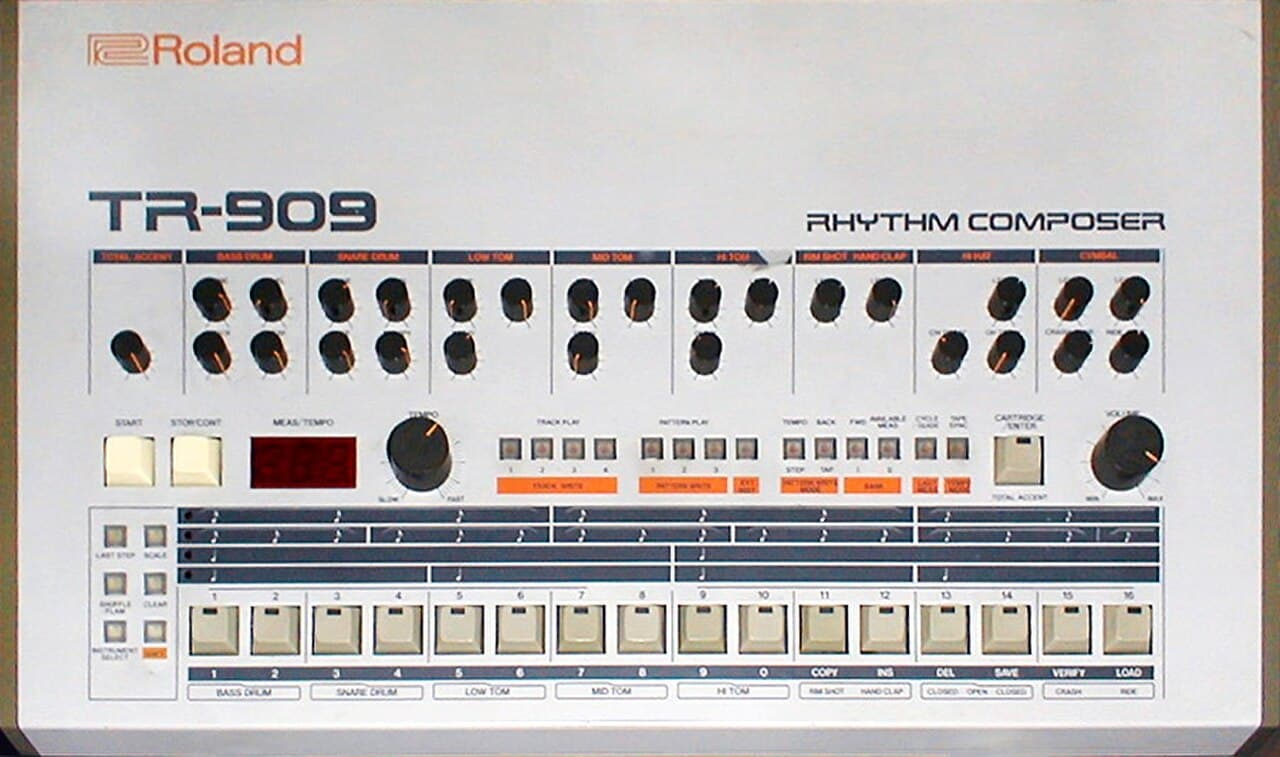
- The Roland TR-909 and TR-808 provided the relentless four-on-the-floor kick and crisp hats.
- The Roland TB-303, a "failed" bass synth, was misused into the squelching sound of acid house — crystallised on Phuture's "Acid Tracks" (1987).
Jesse Saunders' "On and On" (1984) is often cited as one of the first records made as house, rather than a disco edit. Labels like Trax and DJ International pressed the early classics, and DJs such as Ron Hardy (at the Music Box) pushed the sound rawer and wilder.
A parallel in Detroit, a cousin in New York
At the same time, Detroit producers were building techno — house's machine-driven cousin (we cover the difference in a companion piece). In New York, Larry Levan at the Paradise Garage gave the world "garage," a soulful, vocal-led sibling of house. These three cities — Chicago, Detroit, New York — are the foundation of modern dance music.
House conquers the world
In 1988, house and acid house exploded in Britain in what became known as the Second Summer of Love, fuelling the UK rave movement. From there it spread across Europe — to the superclubs of Ibiza, the warehouses of Berlin, and eventually every continent. What started in a Chicago club is now the default language of dancefloors worldwide.
A rough timeline
- 1977 — The Warehouse opens in Chicago; Frankie Knuckles becomes resident.
- 1984 — Jesse Saunders, "On and On" — an early house record.
- 1986–87 — Trax / DJ International release defining tracks; acid house emerges.
- 1988 — The Second Summer of Love; house breaks the UK mainstream.
- 1990s onward — house splinters into deep, garage, tech, progressive and more, and goes global.
Keep reading
Want to hear the difference between the styles house split into? Read deep house vs tech house. Ready to hear it live in the city that perfected club culture? Start with our Berlin house clubs guide.
Preguntas frecuentes
- Where did house music originate?
- House music originated in Chicago in the early 1980s, closely tied to the club The Warehouse and DJ Frankie Knuckles, the 'Godfather of House.'
- Who is the 'Godfather of House'?
- Frankie Knuckles, the resident DJ at Chicago's Warehouse, whose re-edited disco and soul records over a drum-machine pulse helped define the genre.
- What was the first house record?
- There's no single answer, but Jesse Saunders' 'On and On' (1984) is frequently cited as one of the first records made specifically as house rather than as a disco edit.
- Why is it called 'house' music?
- The name comes from The Warehouse in Chicago — records "as played at The Warehouse" became known as "house" records, and the genre took the club's name.
- What was the Second Summer of Love?
- The 1988 explosion of house and acid house across Britain, which fuelled the UK rave movement and carried the Chicago sound into mainstream European club culture.