
What is hard techno? BPM, sound & the 2020s rise
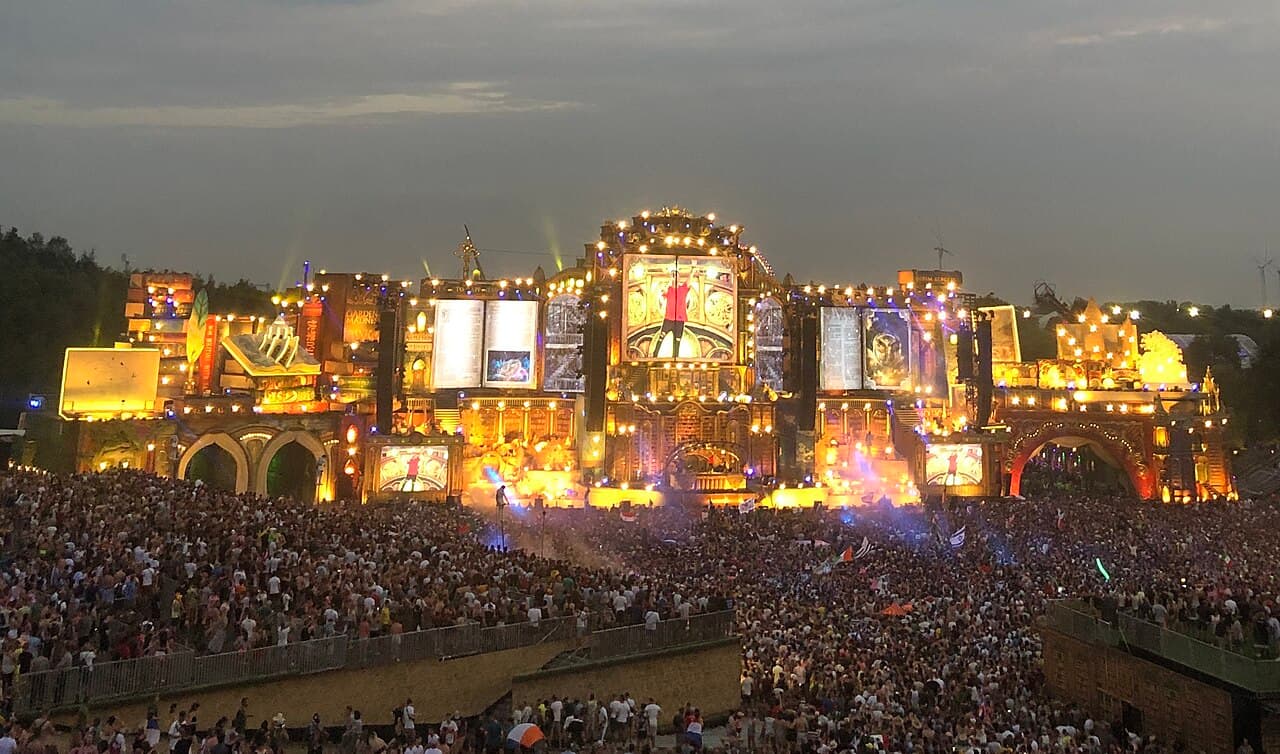
Hard techno is techno's harder, faster branch: roughly 145–160+ BPM, built around distorted, punishing kick drums and minimal melody rather than the hooks or chords of more accessible dance genres. It's long been a staple of Europe's underground techno scene, related to the harder schranz sound that took shape in Frankfurt clubs in the mid-1990s — and since the early 2020s it has broken into mainstream festival lineups, led by breakout artists like Sara Landry.
| Hard techno | |
|---|---|
| Parent genre | Techno (Detroit, USA — mid-1980s; ~120–150 BPM generally) |
| Typical BPM | ~145–160, occasionally higher |
| Sound | Distorted, overdriven kick drums; hypnotic and repetitive; little or no melody |
| Related lineage | Schranz — the harder branch of techno associated with 1990s Frankfurt |
| 2020s breakout artist | Sara Landry |
| Where to hear it | Beatport's dedicated Hard Techno chart; a growing number of major festival lineups |
In more detail
Techno itself, born in Detroit in the mid-1980s, already prizes rhythm and machine-made texture over melody — techno pioneer Juan Atkins famously called it "music that sounds like technology." Hard techno pushes that same DNA further rather than doing something different: faster tempos, a heavily distorted or overdriven kick that hits like a wall rather than a clean thump, and even less interest in hooks or harmony. Where a typical club techno set might run 128–135 BPM with some melodic texture, hard techno regularly sits at 145 BPM and above, prioritising physical intensity over groove.
The sound has real historical roots. In Frankfurt in the 1990s, a harder, more industrial-leaning branch of techno — often referred to as schranz — developed around clubs playing tougher, more distorted records than the techno mainstream of the time. Modern hard techno isn't identical to 1990s schranz, but the two are frequently discussed together, and today's hard techno inherits schranz's core idea: strip techno down to its most punishing, repetitive elements.
What's newer is the scale. Beatport now runs "Hard Techno" as its own dedicated genre chart, distinct from techno at large — a sign of how much of an audience the sound has built. And no single artist has been credited with that growth more than Sara Landry, an American DJ and producer whose rise music press outlets including Billboard and Rolling Stone have covered closely. In July 2024, multiple outlets reported she became the first hard techno artist to play Tomorrowland's main stage in the festival's nearly 20-year history; in 2025 she played Coachella's Sahara tent and DJ'd the after-party for Lady Gaga's headline set. That kind of coverage doesn't mean hard techno has overtaken house or mainstream EDM — it's still a comparatively niche, intense sound — but it does mark a real and well-documented crossover moment for a genre that spent most of its life firmly underground.
How to recognise it in 10 seconds
- Listen to the kick. If it sounds distorted or overdriven rather than clean, that's the clearest sign.
- Check the tempo. Noticeably faster than most club techno — 145 BPM and up rather than 125–135.
- Count the hooks. Usually none: mood is carried by rhythm and texture, not melody.
- Feel the intensity. Harder, darker and more physically overwhelming than melodic or minimal techno.
Related reading
- Chicago house vs Detroit techno — techno's origin story, and how it diverged from house.
- Tech house vs techno — how techno's tempo and feel compare to its groove-led cousin.
- See the full guide to house music subgenres for every comparison and deep-dive in one place.
FAQ
What BPM is hard techno? Roughly 145–160 BPM, and sometimes higher — noticeably faster than the 120–150 BPM range of techno generally.
What makes hard techno different from regular techno? The same four-on-the-floor, machine-made DNA as techno, pushed further: a harder, more distorted kick drum, faster tempo, and even less melody.
Is hard techno the same as schranz? Not exactly, but they're closely related — schranz is the harder, more distorted branch of techno that took shape in Frankfurt clubs in the 1990s, and modern hard techno is often discussed as its descendant.
Who is driving hard techno's recent rise? American DJ Sara Landry has drawn the most mainstream press coverage, including a widely reported 2024 set on Tomorrowland's main stage and a 2025 Coachella appearance.
Where can I hear hard techno? Beatport runs it as its own dedicated genre chart, and it now appears on a growing number of major festival lineups alongside more established techno and house stages.
Genre, tempo and recent-history facts verified as of July 2026 against Wikipedia's "Techno" entry, Beatport's Hard Techno genre page, and reporting from Billboard and Rolling Stone. Exact BPM boundaries vary by source and continue to shift as the genre evolves.
FAQ
- What BPM is hard techno?
- Roughly 145–160 BPM, and sometimes higher — noticeably faster than the 120–150 BPM range of techno generally.
- What makes hard techno different from regular techno?
- The same four-on-the-floor, machine-made DNA as techno, pushed further: a harder, more distorted kick drum, faster tempo, and even less melody.
- Is hard techno the same as schranz?
- Not exactly, but they're closely related — schranz is the harder, more distorted branch of techno that took shape in Frankfurt clubs in the 1990s, and modern hard techno is often discussed as its descendant.
- Who is driving hard techno's recent rise?
- American DJ Sara Landry has drawn the most mainstream press coverage, including a widely reported 2024 set on Tomorrowland's main stage and a 2025 Coachella appearance.
- Where can I hear hard techno?
- Beatport runs it as its own dedicated genre chart, and it now appears on a growing number of major festival lineups alongside more established techno and house stages.